In industries that operate under extremely high temperatures, ordinary materials cannot survive for long. Steel production, glass manufacturing, cement kilns, and other heavy industries all require special materials that can withstand intense heat and chemical conditions.
One important raw material behind these heat-resistant solutions is Magnesite. Although it may look like an ordinary mineral, magnesite plays a significant role in producing refractory materials that protect industrial furnaces and high-temperature equipment.
The reason lies in its unique chemical composition and its ability to transform into magnesium oxide (MgO), a material known for excellent heat resistance.
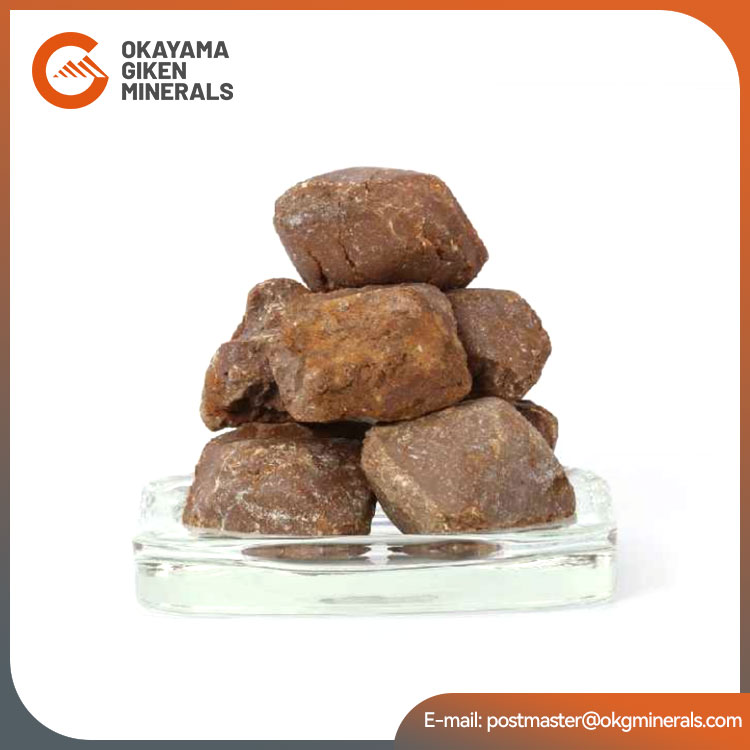
Magnesite is a naturally occurring mineral mainly composed of magnesium carbonate (MgCO₃).
It is formed through geological processes over long periods of time and is one of the most important sources of magnesium resources.
The basic composition of magnesite can be represented as:
Magnesium Carbonate (MgCO₃)
Through thermal processing, magnesite can be converted into magnesium oxide, which is widely used in refractory applications.
Refractory materials are special materials designed to withstand extremely high temperatures without melting, deforming, or losing their protective function.
They are essential in industries where equipment operates under severe heat conditions.
Common applications include:
Magnesite is valuable because it provides the raw material needed to produce magnesium oxide-based refractories.
The transformation from magnesite ore into refractory material involves a process called calcination.
The basic process is:
Magnesite ore (MgCO₃)
↓
High-temperature heating
↓
Release of carbon dioxide (CO₂)
↓
Formation of magnesium oxide (MgO)
↓
Production of refractory materials
During this process, magnesite changes from a carbonate mineral into a stable oxide material with excellent thermal properties.
Magnesite refractory bricks are mainly based on magnesium oxide, which has several characteristics that make it suitable for high-temperature environments.
Magnesium oxide has a very high melting point, allowing MgO-based refractories to maintain stability in extreme heat conditions.
This makes them suitable for furnace linings where temperatures can reach thousands of degrees Celsius.
High-temperature industrial processes often involve repeated heating and cooling cycles.
Magnesite-based refractories are designed to maintain their structure during these demanding conditions.
In steelmaking, different chemical substances can react with furnace linings.
Magnesia refractories show good resistance to basic slags, which makes them widely used in metallurgical applications.
Steel production requires extremely high temperatures, making furnace protection a critical issue.
The inside walls of steelmaking furnaces need refractory linings that can:
Magnesite-based refractories have become an important choice because they can perform under these harsh operating conditions.
Magnesia bricks are made mainly from magnesium oxide and are commonly used in steel furnaces and industrial kilns.
These materials combine magnesium oxide with carbon materials to improve thermal shock resistance and performance in certain steelmaking environments.
Dead burned magnesite is produced through high-temperature calcination and is widely used as a raw material for refractory production.
| Feature | Magnesite-Based Refractories | Alumina-Based Refractories | Silica-Based Refractories |
|---|---|---|---|
| Main Component | Magnesium oxide (MgO) | Aluminum oxide (Al₂O₃) | Silicon dioxide (SiO₂) |
| Temperature Resistance | Excellent | High | High |
| Main Application | Steelmaking and high-temperature furnaces | General industrial furnaces | Glass and specific furnace applications |
| Chemical Resistance | Strong against basic slags | Good overall resistance | Better for acidic environments |
Magnesite-based refractory materials are widely used across heavy industries.
Although industrial technologies continue to improve, the demand for high-performance refractory materials remains strong.
Modern industries need materials that can provide:
Magnesite continues to play an important role because magnesium oxide remains one of the key materials for extreme temperature applications.
Future improvements in magnesite refractory technology may focus on:
Magnesite may seem like a simple mineral, but it supports some of the most demanding industrial processes in the world.
Through high-temperature processing, magnesite becomes magnesium oxide, a key component in heat-resistant refractory materials used in steelmaking, cement production, and other industries.
The hidden value of magnesite lies in its ability to help industries operate safely under extreme heat, making it an essential mineral for modern manufacturing and high-temperature technology.