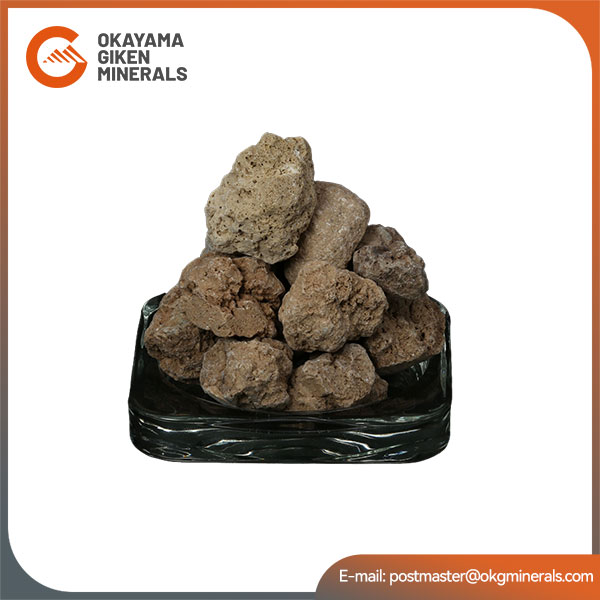
Selecting the right black silicon carbide involves more than comparing a few percentage points on a datasheet. The correct grade must match chemical purity, particle size distribution, magnetic susceptibility, and refractory performance, while also accounting for downstream processing, cost targets, and supply chain consistency. This article explains how black silicon carbide differs from green silicon carbide, how to verify specifications on your production line, and which quality parameters matter before placing bulk orders. You will also see the main inspection checks that help prevent contamination, off-spec hardness, and application failures, so the rest of the guide can focus on informed sourcing and reliable use.
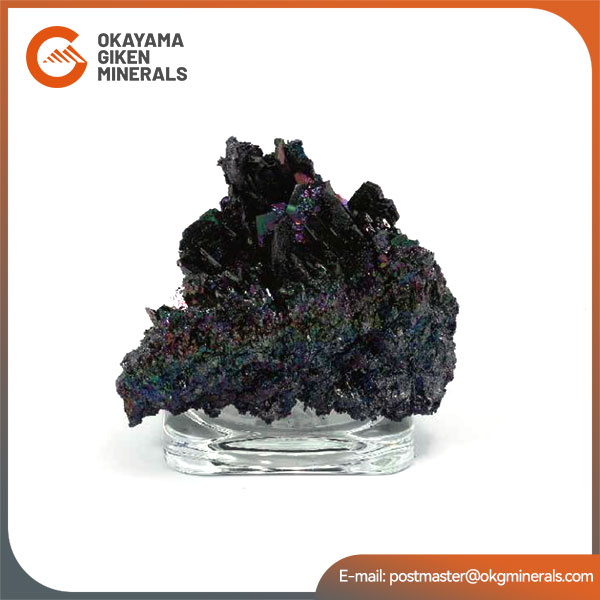
Black silicon carbide is a synthetic abrasive and refractory material produced from high-purity quartz sand and petroleum coke in an electric resistance furnace at temperatures exceeding 2200°C. Unlike green silicon carbide which offers higher purity but at significantly greater cost, black silicon carbide combines excellent hardness, thermal conductivity, and oxidation resistance, making it the preferred choice for bonded abrasives, ceramic filters, and metallurgical additives.
The specification directly determines performance. A difference of just 0.2% in free carbon can affect sintering behavior in ceramic applications. A 0.3% variation in Fe₂O₃ may change the color and magnetic response in lapping slurries. Procurement decisions based on incomplete specifications such as ignoring particle shape or bulk density frequently lead to inconsistent finished goods or line stoppages.
The functional reliability of black silicon carbide depends entirely on precise chemical and physical parameters. Because these grains undergo high-temperature processing, high-shear mixing, or abrasive cutting, relying on verified mill test reports rather than generic typical values is non-negotiable for quality assurance.
This table defines the minimum SiC content and maximum allowable impurities for commercial black silicon carbide grades. Custom tolerance negotiation is available for multiple chemical indicators.
Grade SiC (%) ≥ Free Carbon (%) ≤ Fe₂O₃ (%) ≤ At Buyer's Option
SIC 985 98.5 0.20 0.60 Yes
SIC 98 98.0 0.25 0.70 Yes
SIC 97 97.0 0.25 0.70 Yes
SIC 90 90.0 2.50 2.50 Yes
SIC 88 88.0 3.00 3.00 Yes
SIC 85 85.0 5.00 3.50 Yes
SIC 75 75.0 No limit No limit Yes
SIC 40 40.0 No limit No limit Yes
Lower-grade SiC including SIC 75 and SIC 40 is mainly used for metallurgical deoxidation and blast media. Strict control of free carbon and iron oxide is not required for regular use, and targeted indicator adjustment can be arranged on request.
Besides chemical composition, grain size distribution directly affects cutting speed, surface finish and packing density. Black silicon carbide is manufactured in line with ANSI, FEPA and JIS standards, covering coarse mesh to ultra-fine micro grits.
Mesh Range Common Application
8 – 30 Refractory shapes, floor aggregates
30 – 80 Bonded grinding wheels, coated abrasives
80 – 240 Lapping media, polishing compounds
-325 mesh Ceramic membranes, precision slurries
High-quality manufacturers strictly control D10, D50 and D90 with a tolerance range from ±3% to ±5%. Stable particle size control ensures stable flow performance and consistent wear rate in continuous production.
Black silicon carbide adopts hexagonal alpha crystal structure. Its true density stays between 3.20 g/cm³ and 3.25 g/cm³, and the decomposition temperature is higher than 2500°C.
Its unique black tone comes from moderate residual carbon and iron impurities when compared with green silicon carbide. For electronic potting, wafer lapping and other magnetic-sensitive scenarios, low-magnetic customized grades can be supplied. Magnetic susceptibility can be controlled below 0.05% through acid leaching and magnetic separation processing.
Choosing the correct black silicon carbide grade needs reasonable matching of chemical limits, particle size performance and overall cost. A standardized selection method helps avoid over purchasing high-purity materials with redundant performance and prevent unqualified products caused by low-spec raw materials.
Confirm the core production restriction first. Bonded abrasive production needs SiC content above 97% and stable free carbon control to maintain product structural strength. Con refractory lining production can choose SIC 90 and SIC 88 to balance use effect and raw material cost.
Set clear iron oxide control standards if follow-up magnetic separation or cleaning procedures are arranged. Select unified particle size specifications that match internal screening and processing equipment. Complete procurement evaluation with official mill test reports of each batch of goods.
Grade Range Price Index Suitable Applications
SIC 985 – 97 High Precision abrasives, ceramic filters, high-wear refractories
SIC 90 – 85 Medium Refractory castables, anti-corrosion linings, blasting media
SIC 75 – 40 Low Steel deoxidation, brake friction filler, foundry sand
Most industrial buyers take SIC 90 and SIC 88 as regular options for balanced cost and performance. High-purity grades above SIC 97 are only applied in scenarios with strict chemical control requirements.
Long-term stable sourcing of black silicon carbide requires comprehensive evaluation of production base, laboratory testing capacity and cross-batch quality consistency. Supplier qualification and complete quality management systems are core factors for stable cooperation.
Verify valid ISO 9001:2015 certification and ask for third-party test reports issued by SGS or Bureau Veritas. Reliable suppliers are equipped with XRF and ICP testing devices for fast batch quality inspection.
Complete particle size distribution data tested by laser diffraction or sieve shaker should be provided instead of simple mesh marking. Check cross-batch component stability, independent packaging specification and complete customs clearance documents to reduce contamination and delivery risks.
Carry out three basic inspection steps after cargo arrival. Visual inspection checks color uniformity and avoids mixed grains of different silicon carbide products. Sieve analysis compares actual particle size data with contract standards. Magnetic content test is implemented for customized low-magnetic materials.
Any index exceeding the agreed tolerance scope requires immediate goods isolation and timely communication with suppliers for after-sales solutions.
SIC 985 to 97 grades are widely used in bonded abrasives, coated abrasives, polishing compounds, diesel particulate filters and wear-resistant industrial nozzles.
SIC 90 to 85 grades fit refractory bricks, castable materials for aluminum melting, high-temperature crucibles, kiln accessories and industrial shot blasting work.
SIC 75 to 40 grades serve as metallurgical deoxidizer for steel smelting, brake pad filler, anti-slip floor aggregate and low-cost sandblasting raw materials.
General MOQ for bulk black silicon carbide starts at 20 MT per container. Custom low-magnetic and precision graded materials support small batch orders with 5 MT minimum quantity.
Production lead time of mainstream factories in China and Europe ranges from 15 days to 30 days after deposit. Combined with ocean freight, the overall cycle for European and North American markets is 30 to 45 days. Regional warehouse inventory from distributors can support urgent order delivery with jumbo bag packaging.
The price gap between different grades is obvious. Regular SIC 90 is quoted at 450 USD to 600 USD per MT under FOB terms. High-standard SIC 985 with low magnetic performance reaches 1300 USD to 1600 USD per MT. Annual volume cooperation helps stabilize long-term pricing.
Multiple core indicators including SiC content, free carbon, iron oxide and particle size jointly determine the comprehensive quality of black silicon carbide.
Select targeted grades according to actual production demands to balance use performance and raw material budget.
Mill test reports and third-party inspection documents are essential for raw material quality control in mass production.
Reasonable grade classification and procurement planning can effectively optimize production cost and reduce unqualified product rate.
Black silicon carbide contains proper carbon and iron impurities with stable comprehensive performance and competitive price. Green silicon carbide maintains 99% and above high purity with higher comprehensive cost, mainly used for ultra-precision grinding of hard alloy and special ceramics.
Define the upper limit of allowable free carbon and iron oxide first, and confirm required particle size parameters. Put forward customized demands for low magnetic or acid washing treatment if needed. Select matching grade with reference to the chemical composition table.
Black silicon carbide retains stable structural strength above 1500°C and delivers better oxidation resistance than most oxide refractory materials. SIC 85 to 90 are the mainstream choices for high-temperature furnaces in aluminum and zinc melting industries.
Buyers can ask for ISO 9001 certificate, batch mill test reports including chemical composition and sieve analysis data. Third-party inspection reports are optional for high-standard orders. Products exported to the EU need to provide REACH and RoHS compliance documents.
Black silicon carbide is a fully synthetic chemical compound without free silica components. Protective dust treatment is still required during fine powder processing to ensure on-site operation safety.