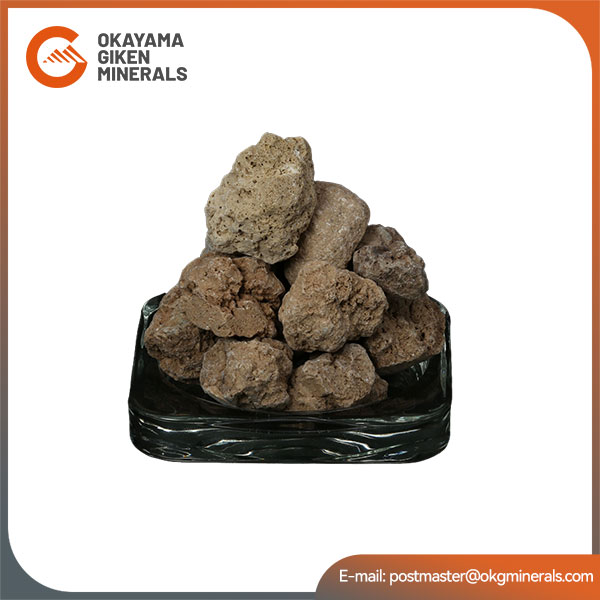
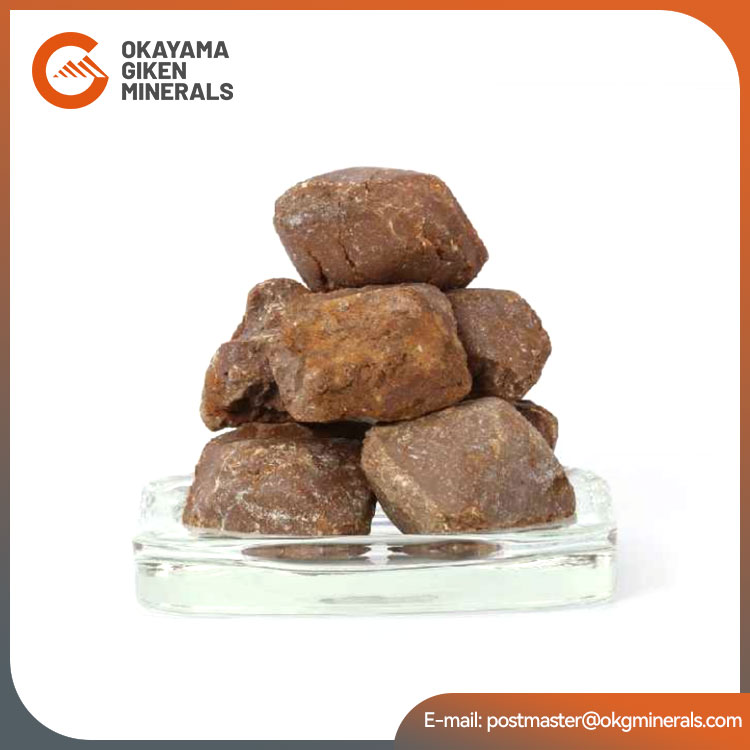
In industries that operate under extremely high temperatures, ordinary materials cannot survive for long. Steel production, glass manufacturing, cement kilns, and other heavy industries all require special materials that can withstand intense heat and chemical conditions. One important raw material behind these heat-resistant solutions is Magnesite. Although it may look like an ordinary mineral, magnesite plays a significant role in producing refractory materials that protect industrial furnaces and high-temperature equipment.

For decades, ceramic cores for turbine blades have been made the same way: injection molding with expensive metal dies. But today's blade designs demand increasingly complex internal cooling channels—bends and cavities that dies simply cannot create.
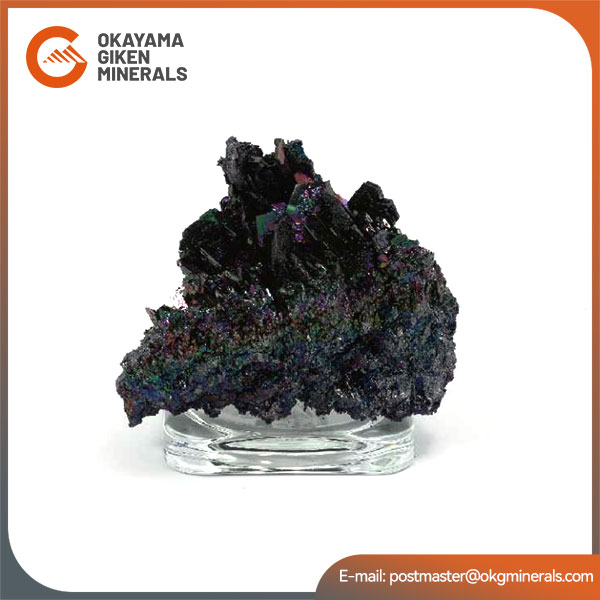
Selecting the right black silicon carbide involves more than comparing a few percentage points on a datasheet. The correct grade must match chemical purity, particle size distribution, magnetic susceptibility, and refractory performance, while also accounting for downstream processing, cost targets, and supply chain consistency. This article explains how black silicon carbide differs from green silicon carbide, how to verify specifications on your production line, and which quality parameters matter before placing bulk orders. You will also see the main inspection checks that help prevent contamination, off-spec hardness, and application failures, so the rest of the guide can focus on informed sourcing and reliable use.
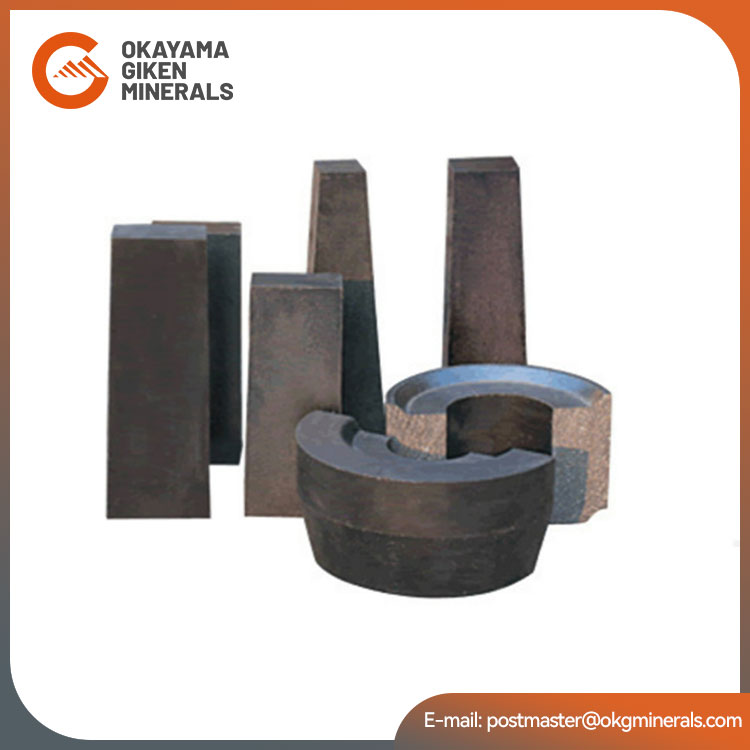
In 2026, global demand for high-performance refractory materials continues to climb. This is particularly evident in metallurgical sectors—such as steelmaking and ironmaking—where there is a rapidly growing demand for magnesia-carbon bricks that combine exceptional high-temperature resistance with superior corrosion resistance.
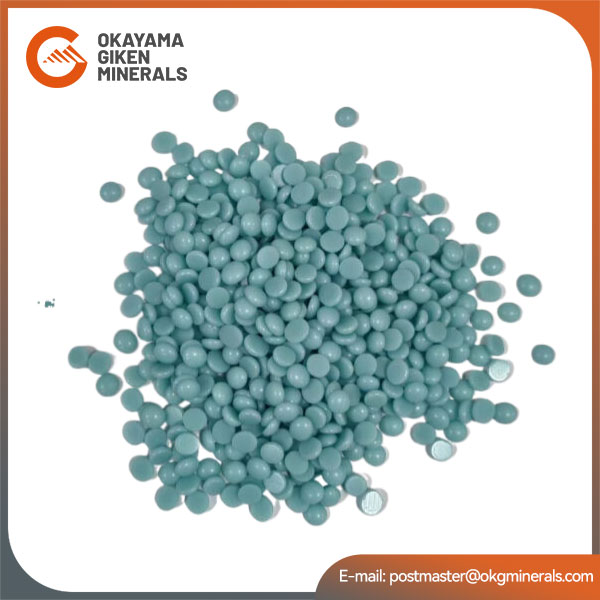
The complex metal parts we usually see, such as the small blades in a car engine, the exquisite rings in a jewelry store, or even the precision components in some medical devices, are not simply "created" out of thin air, but are made through a complex process called precision casting (also known as investment casting or lost-wax casting).
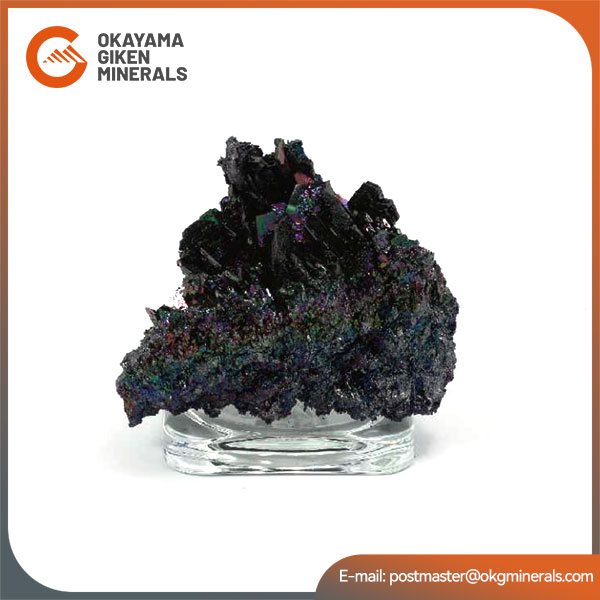
Silicon carbide can be used to make abrasives (powders). It can also be used to make refractory ceramic parts, crucibles, etc.