
Ceramic materials are inorganic non-metallic materials made from non-metallic oxides, borates, silicates, and other raw materials. Ceramic materials are hard and brittle materials made through molding, sintering, and other processes. Ceramic material usually has excellent wear resistance, high temperature resistance, insulation, chemical stability and other characteristics, and is therefore widely used in fields such as ceramic products, building materials, electronic components, chemical equipment.

In recent years, refractory manufacturers in Europe and Southeast Asia have expressed concerns about inconsistent results when using Silicon Carbide (SiC) materials in monolithic refractories, precast parts, and self-flowing castables. At the heart of the problem are factors such as poor particle size distribution, high impurity content, and unstable sintering behavior. Okayama Giken Minerals provides custom grades of high-purity SiC with customized SiC specifications, guaranteed low impurity content, and real-time tracking of product performance reactions to ensure product performance, production efficiency, and cost-effectiveness.

Refractory raw material prices from China, including Silicon Carbide (SiC), Fused Magnesia (FM), White/Brown Fused Alumina (WFA/BFA), and High Alumina Cement, are entering a volatile pricing phase — creating both challenges and opportunities for buyers.

Get in touch with us for a custom procurement plan tailored to your region, product specs, and financial conditions.

For suppliers like us specializing in Silicon Carbide, Fused Magnesia, Tabular Alumina, and High Alumina Cement, these changes affect not just shipping schedules, but also pricing strategies, warehousing plans, and regional inventory planning.

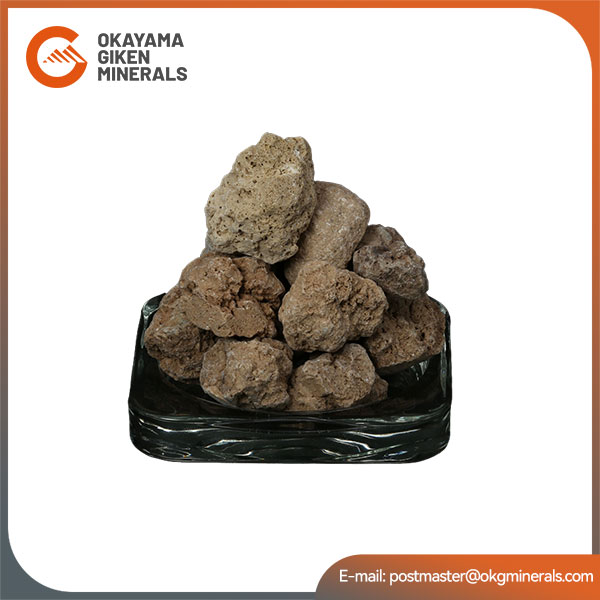
Magnesite is a natural mineral resource often seen in alkaline refractory materials. After calcining natural magnesite, the magnesium content of the ore can be further increased. According to the degree of calcination and processing technology, it can be divided into light-burned magnesite and heavy-burned magnesite, and the specific applications of the two are also different.